Summer dressing is not just about wearing lighter colours or shorter sleeves. The real secret to staying comfortable, fresh, and stylish in hot weather is to choose the right fabric for summer.
You can wear the prettiest outfit, but if the fabric traps heat, sticks to your skin, or makes you sweat excessively, it ruins the entire look.
So how do you actually choose the right fabric for summer?
This simple guide will help you understand which materials keep you cool, which ones to avoid, and how to shop smart during hot weather. Let’s make styling easy with this summer outfit guide on The Choice Edit.
Why Fabric Matters More Than You Think
In summer, temperatures rise and humidity increases. Your body naturally sweats to cool down. The fabric you wear either:
- Absorbs sweat and allows airflow
- Traps heat and moisture against your skin
Choosing high-quality, breathable materials prevents irritation and ensures longevity, proving that what your clothes are made of is just as important as how they look.
The difference between feeling fresh and feeling exhausted often comes down to fabric choice.
That’s why understanding best fabrics for summer is more important than following trends.
What Makes A Fabric “Summer-Friendly”?
A summer-friendly fabric is defined by its ability to manage heat and moisture while keeping the wearer cool.
The most critical factor is breathability; natural fibers like cotton and linen have porous structures that allow air to circulate freely, preventing heat from being trapped against the skin.
Moisture-wicking and absorbency are also vital. Linen, for instance, can absorb up to 20% of its weight in moisture before feeling damp, making it ideal for high humidity. Additionally, a fabric’s weight and weave matter.
Lightweight, loose weaves (like seersucker or chambray) promote airflow and minimize surface contact, ensuring you stay dry and comfortable even as the temperature climbs.
Breathable fabrics allow air to circulate. This prevents sweat buildup and keeps your body temperature balanced.
When choosing summer clothes, look for fabrics that are:
- Breathable
- Lightweight
- Moisture-absorbing
- Soft on the skin
- Loose in weave
Now let’s look at the best options for what fabric is best for summer.
Best Fabrics To Wear In Summer
Choosing the right fabric is the ultimate defense against rising temperatures. The ideal summer textile acts as a personal cooling system, prioritizing high breathability and moisture management.
By selecting natural or high-quality semi-synthetic fibers, you ensure maximum airflow, keeping your skin dry and comfortable even in the most sweltering heat.
1. Cotton
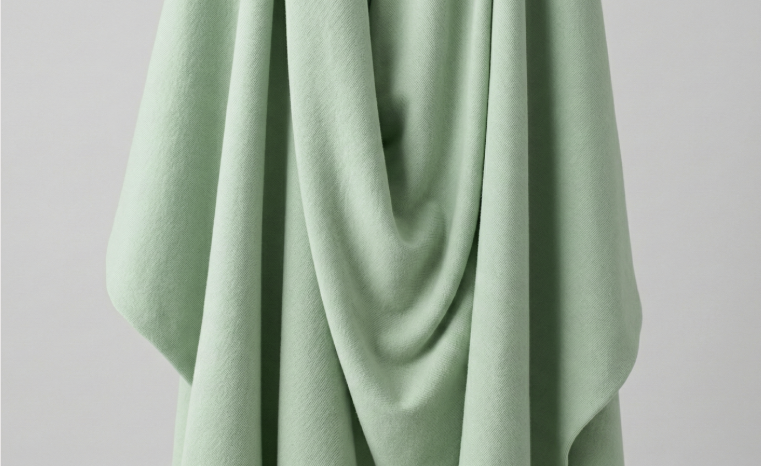
Cotton is the undisputed king of summer textiles. This natural fiber is celebrated for its incredible softness and high breathability, allowing heat to escape the body easily.
It is hypoallergenic and durable, making it a reliable, low-maintenance choice for everyday wear that feels cool against the skin all day long.
Why it works:
- Highly breathable
- Absorbs sweat
- Soft and comfortable
- Easy to maintain
Cotton allows air to flow freely, which keeps you cool even in high temperatures. It’s perfect for daily wear, office outfits, and casual dresses.
Tip: Choose pure cotton or high-cotton blends for best comfort.
2. Linen
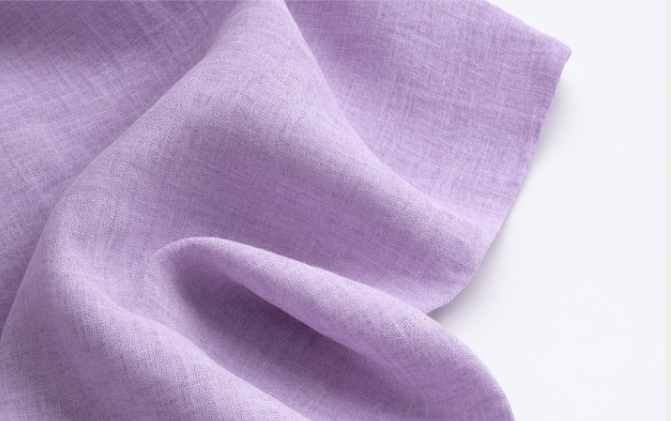
Linen is the gold standard for high humidity. Made from flax fibers, its loose weave allows for superior air circulation, it sure is one of the top summer clothing fabrics.
It can absorb a significant amount of moisture without feeling damp and dries almost instantly.
While it wrinkles easily, that lived-in look is part of its classic, effortless summer charm.
Why it works:
- Extremely breathable
- Dries quickly
- Feels light on the skin
- Has a natural cooling effect
Linen may wrinkle easily, but those soft creases actually give it a relaxed, elegant look.
If you want effortless summer chic, linen shirts, trousers, and dresses are perfect.
3. Rayon (Good Quality Only)
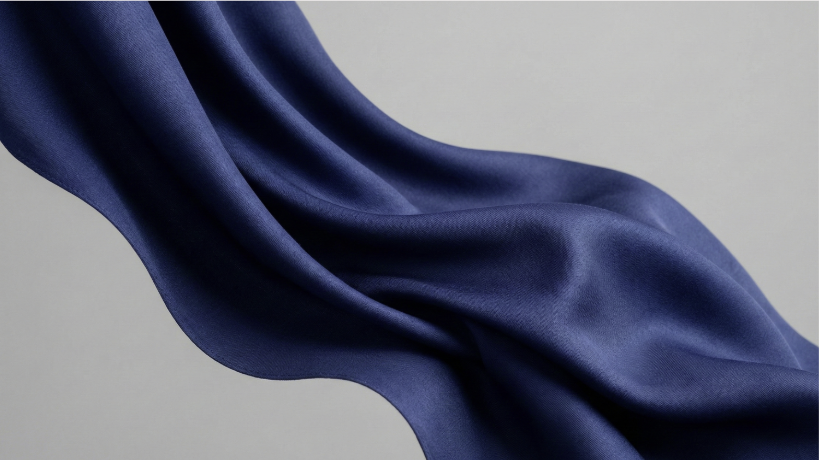
High-quality rayon, such as Modal or Lyocell, is a fantastic summer alternative. Derived from wood pulp, these “regenerated” fibers are thinner than cotton and possess a silky drape.
They excel at wicking moisture away from the skin and don’t trap body heat, providing a sophisticated, cool-to-the-touch feel for dressier outfits.
Why it works:
- Lightweight
- Breathable
- Flowy
- Soft texture
Rayon drapes beautifully, making it ideal for skirts and dresses.
Make sure you choose good quality rayon, as cheaper versions may trap heat.
4. Chambray
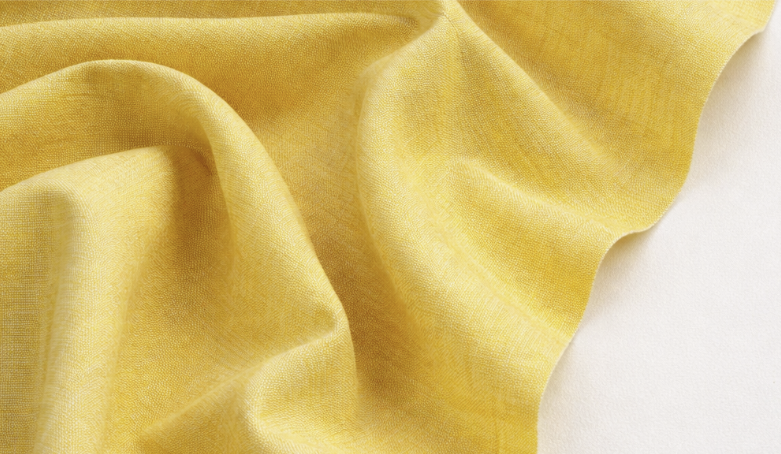
Chambray offers the rugged look of denim without the heavy, stifling weight. It is a plain-weave fabric typically made from cotton, featuring a high thread count that remains remarkably lightweight and breathable.
It’s the perfect choice for those who want a structured, workwear aesthetic that won’t lead to overheating.
It’s great for:
- Summer shirts
- Casual dresses
- Everyday styling
Unlike denim, it doesn’t feel heavy or suffocating.
5. Mulmul (Soft Cotton)
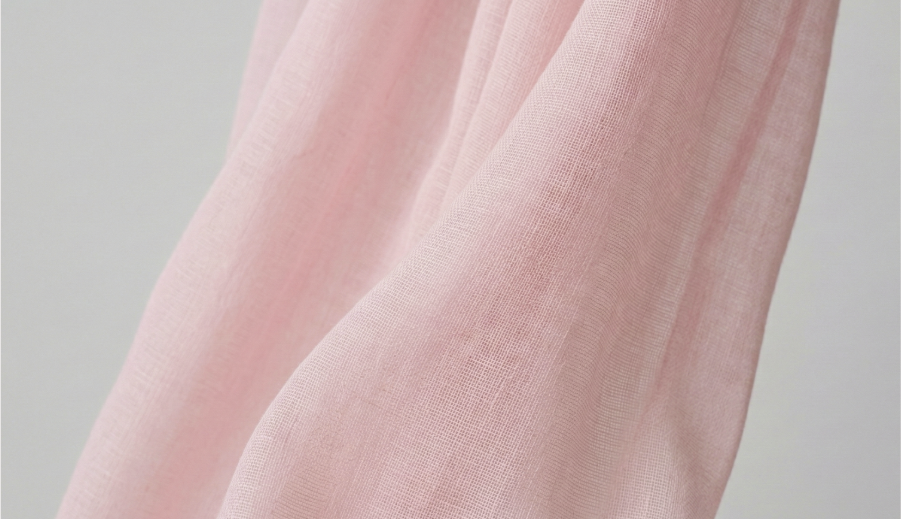
Often referred to as “wonder gauze,” Mulmul is a fine, soft muslin cotton. It is exceptionally lightweight and delicate, originally popularized in India to combat intense tropical heat.
Because it is so thin and breathable, it feels almost weightless on the body, making it the ultimate fabric for extreme temperatures.
It’s perfect for:
- Kurtas
- Summer dresses
- Nightwear
It feels airy and extremely gentle on the skin, especially in humid climates.
Fabrics To Avoid In Summer
While the right fabric keeps you cool, the wrong one can turn a sunny day into a heat-trapping nightmare. Synthetic and heavy materials act as insulators, locking in body heat and moisture.
Avoiding these non-breathable textiles is essential to prevent skin irritation, excessive sweating, and general discomfort during peak summer.
Polyester
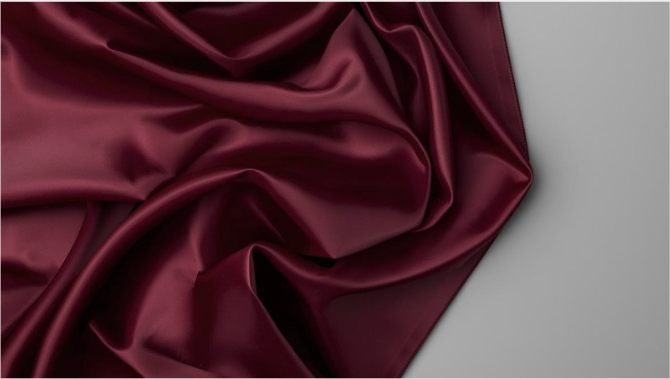
Polyester is a synthetic fiber that is essentially plastic, meaning it has zero breathability. It repels water, which sounds good until your sweat is trapped against your skin.
Avoid polyester-blend kurtas or button-down shirts, as they will make you feel sticky and overheated within minutes of stepping outside.
Why to avoid it:
- Doesn’t absorb sweat well
- Causes stickiness
- Feels uncomfortable in humidity
Small blends are fine, but avoid pure polyester in hot we
Nylon
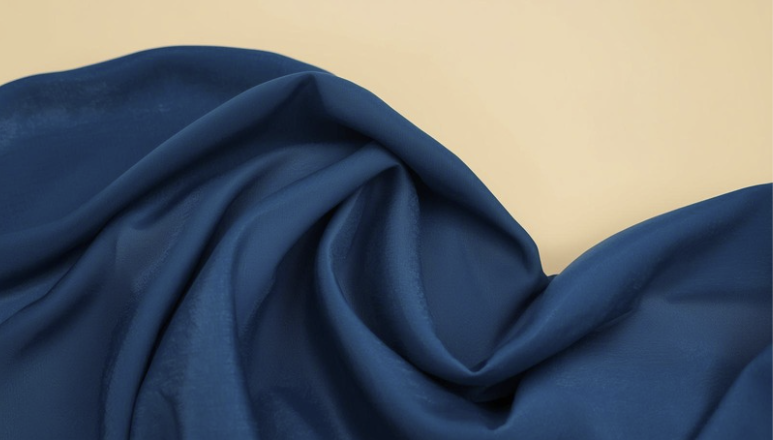
Commonly found in athletic leggings, windbreakers, and some fast-fashion dresses, nylon is designed to be tough, not cool.
Nylon is lightweight but not breathable. It traps heat and sweat, making it uncomfortable for long wear.
It lacks the porous structure needed for airflow, causing heat to build up rapidly. Wearing nylon in high humidity often leads to trapped perspiration and uncomfortable skin chafing or rashes.
Thick Denim
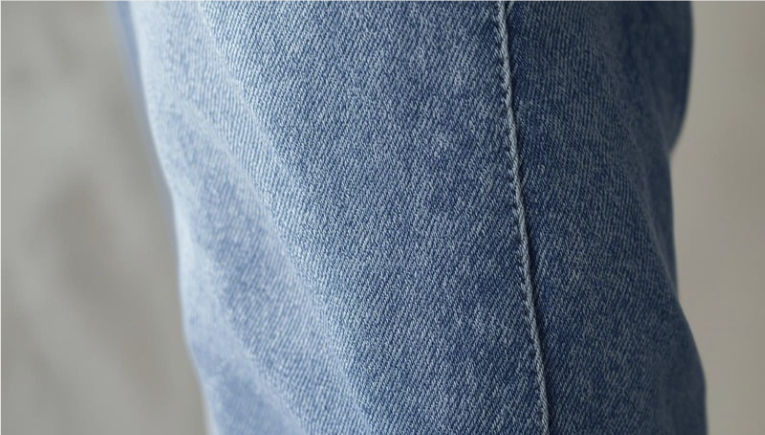
Traditional heavy-duty denim is a tightly woven cotton twill that is far too dense for summer. While durable, skinny jeans or heavy denim jackets restrict movement and air circulation.
They absorb sweat but stay heavy and damp, making them a burdensome choice compared to lightweight chinos or linen trousers. If you love denim, choose lightweight summer versions.
Velvet Or Heavy Silk
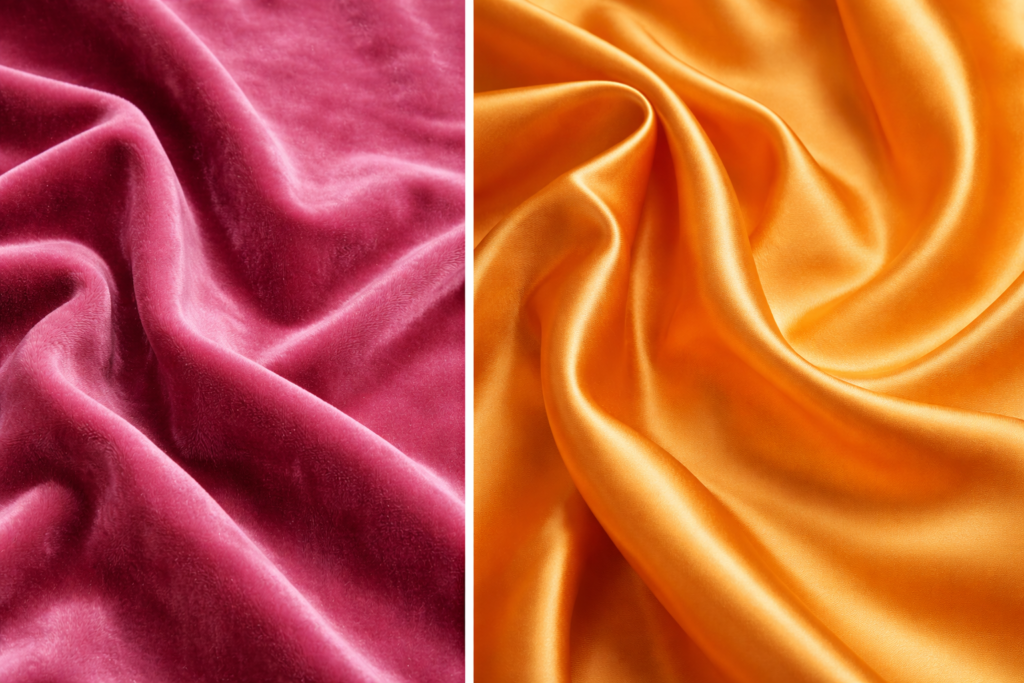
Velvet and heavy silks (like Raw Silk or Brocade) are synonymous with luxury but are disastrous for heat. Often used in formal evening gowns or wedding sherwanis, their thick pile and weight trap warmth close to the body.
These fabrics also show sweat stains easily and lack the necessary summer ventilation.
These fabrics are beautiful but more suited for winter or evening events, not daily summer wear.
How To Choose Fabric While Shopping
Mastering the art of fabric selection is the secret to a functional, long-lasting wardrobe. Beyond the initial appeal of a garment’s color or cut, the textile determines how the piece will perform in the real world. Here is how to evaluate quality while browsing the aisles.
1. Check The Fabric Tag
Always start by looking at the small white tag inside the garment. Prioritize natural fibers like cotton, linen, silk, and wool for superior breathability and comfort.
If you see synthetics like polyester or acrylic, ensure they are part of a blend (less than 30%) rather than the primary material, especially for summer-wear or base layers.
Always read the composition label. Look for:
- 100% cotton
- 100% linen
- Cotton blends (at least 60% cotton)
Avoid high synthetic percentages.
2. Feel The Fabric
To test for wrinkle resistance and resilience, gather a handful of the fabric and squeeze it tightly for five seconds. If it bounces back smoothly, it’s a high-quality weave.
Finally, gently pull the fabric to check its recovery; a good textile should return to its original shape immediately rather than staying stretched out. If it feels heavy in your hand, it will likely feel heavy on your body too.
3. Hold It Against Light
Quality is often felt before it is seen. Run your hand over the fabric; it should feel substantial and smooth, not scratchy or overly “plastic.” Next, hold the garment up to a light source.
A tight, even weave indicates durability, while a loose, erratic weave in non-linen fabrics may suggest the item will lose its shape after just a few washes.
Choosing Fabric Based On Occasion
| For Office | For Casual Outings | For Events Or Parties |
|---|---|---|
| Choose breathable fabrics for hot weather: – Structured cotton – Linen blends – Lightweight rayon | Go for lightweight summer materials: – Soft cotton dresses – Mulmul kurtas – Linen co-ord sets | Instead of heavy fabrics, choose: – Lightweight georgette – Soft chiffon – Cotton silk blends |
| You’ll stay comfortable without looking too casual. | Comfort should be your priority. | They look elegant without making you overheat. |
Does Colour Affect Summer Comfort?
Absolutely! Light colours like White, Pastels, Beige, and Soft blue reflect heat and keep you cooler.
Dark colours absorb more heat, but if the fabric is breathable, you can still wear them comfortably.
So fabric choice matters more than colour alone. You can learn all about choosing perfect colour for your skin tone to ensure comfort and style.
Final Thoughts
Choosing the right fabric for summer isn’t complicated. Focus on breathable, natural, and lightweight materials like cotton and linen. Avoid heavy synthetics. Pay attention to feel, texture, and airflow.
Once you understand fabrics, shopping becomes easier. You’ll stop buying clothes that look good on the hanger but feel uncomfortable in real life.
Because true style isn’t just about how you look — it’s about how you feel wearing it.
And in summer, comfort is elegance.